
All About Monroe Medspa and Full Service Salon logo
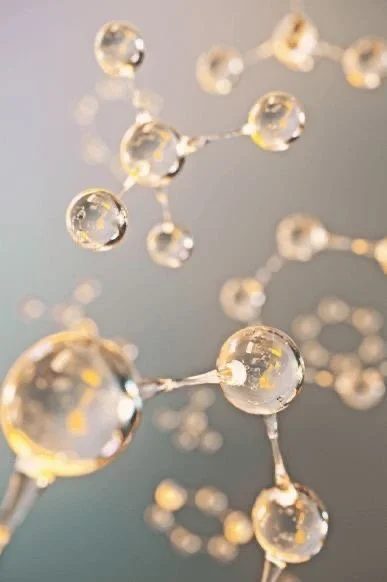
Illustration of a peptide molecule, representing peptide therapy at All About Monroe in Demorest, Georgia

Peptide Therapy · Demorest, GA

Peptide Therapy in Demorest, GA

Medically reviewed by Lisa Downs Smith, RNLast updated

Targeted protocols for recovery, sleep, body composition and skin — screened and supervised by an RN.

Overview

Peptides are short chains of amino acids — the building blocks of proteins. Because they are smaller than full proteins, the body absorbs them more easily, and they act as cellular messengers that bind to receptors and signal a specific response. Peptide therapy uses that mechanism deliberately, selecting a peptide whose signal matches the outcome you want.

It suits adults in Demorest, Cornelia, Clarkesville and Habersham County who are working on recovery, sleep, energy, body composition or skin quality and want a protocol chosen for their history rather than an off-the-shelf supplement. At All About Monroe every protocol begins with a consultation and medical screening with Lisa Downs Smith, RN. Peptide therapy is not appropriate for everyone, and individual results vary.

How it works

Signal, instruction, action.

Peptides do not force an outcome. They deliver an instruction, and the body carries it out.
01

Signalling

A peptide binds to a receptor on the surface of a cell — the same way the body's own messengers do.

02

Instruction

That binding delivers one specific instruction: make more collagen, release growth hormone, regulate appetite.

03

Action

The cell carries out the instruction, and the effect shows up over weeks as tissue, hormone or metabolic change.

Compare

Peptide categories at a glance.

Four families of peptide, four different jobs. Which one is appropriate — if any — is decided at consultation.
Comparison of peptide categories offered at All About Monroe in Demorest, Georgia
CategoryWhat it doesWhat it is used forHow it is delivered
Signal peptidesTell skin cells to produce more collagen and elastin.Fine lines, firmness and overall skin quality.Topical serums and creams, used daily at home.
Carrier peptidesDeliver trace minerals such as copper to the tissue that needs them.Wound healing, repair and post-procedure recovery.Topical, usually layered into an existing routine.
GLP-1 agonistsMimic gut hormones that regulate appetite and blood sugar.Medical weight loss and metabolic support.Weekly subcutaneous injection, prescribed and monitored.
Growth hormone secretagoguesPrompt the pituitary gland to release your own growth hormone.Recovery, sleep quality, body composition.Subcutaneous injection on a set schedule, with screening first.

Categories

Where peptides are used.

Two broad families, each with a different job.

Skincare & Anti-Aging Peptides

Signal peptides prompt the skin to produce more collagen and elastin. Carrier peptides deliver trace minerals such as copper that the skin needs for repair. Neurotransmitter-inhibiting peptides — sometimes marketed as “topical Botox” — soften the appearance of expression lines at the surface. They are a complement to in-clinic treatment, not a replacement for it.

Growth Hormone Secretagogues

Ipamorelin and sermorelin stimulate the pituitary gland to release your own growth hormone. Clients typically use them in support of fat loss, muscle recovery and sleep quality. Because they act on the endocrine system, they require screening and supervision.

GLP-1 Agonists

The same class used in medical weight loss. These peptides mimic gut hormones to regulate appetite and blood sugar, and they are prescribed and monitored the same way here as they are in our weight loss program.

Hormone Regulation & Muscle Recovery

Protocols aimed at steadier energy, better sleep architecture, and faster recovery between training sessions. Which peptide is appropriate depends on your labs, your history and what you are actually training for.

Peptide therapy is an area with a great deal of marketing noise around it. We will tell you what is well supported, what is still emerging, and what we will not prescribe. No outcome is guaranteed, and anything we recommend is chosen for your history rather than for a trend.

In the clinic

How peptide therapy is supplied and supervised.

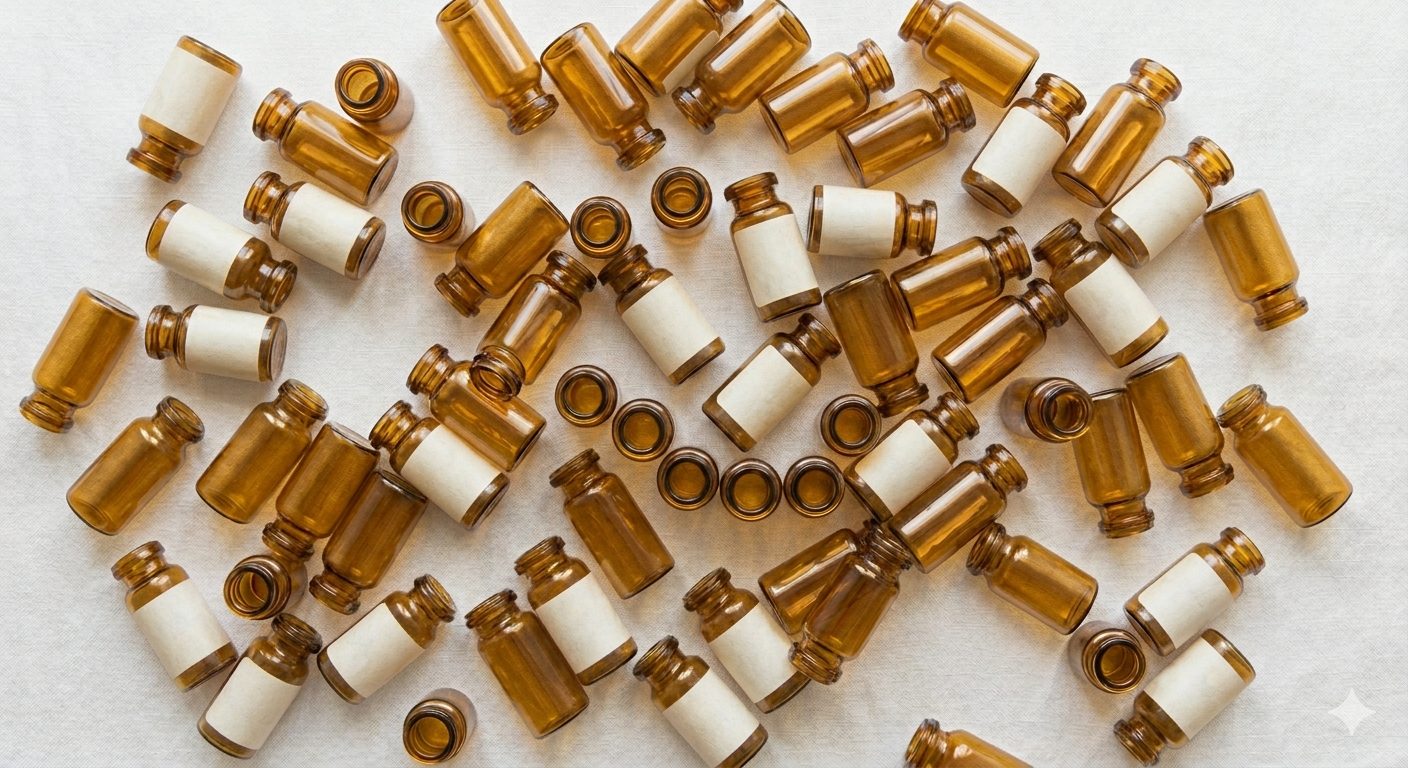
Peptide therapy vials prepared at All About Monroe in Demorest, Georgia
Prescribed and dosed in clinic
Close-up of clear skin across the neck and shoulder, representing peptide therapy outcomes
Skin, recovery and sleep

What to expect

Your visit, step by step.

  1. 01

    Consultation

    We talk through your goals, health history and medications, and identify which category of peptide — if any — fits what you are trying to change.

  2. 02

    Protocol

    You leave with a specific peptide, a dose, a schedule and clear instructions on storage, administration and what to watch for.

  3. 03

    Aftercare

    Sleep, protein and training are what turn a signal into a result. We set realistic expectations and a timeline you can actually judge against.

  4. 04

    Follow-up

    We review tolerance and progress, adjust the protocol, and stop anything that is not earning its place.

Questions

Frequently asked.

What are peptides?

Peptides are short chains of amino acids — the building blocks of proteins. Because they are smaller than full proteins, the body absorbs them more easily, and they act as cellular messengers that bind to receptors and signal a specific response.

How does peptide therapy work?

It works in three stages: signalling, instruction and action. A peptide binds to a receptor on a cell, that binding delivers a specific instruction, and the cell responds by producing collagen, releasing a hormone, or shifting another process the peptide targets.

What can peptide therapy help with?

The most common goals are recovery, sleep quality, energy, body composition, hormone regulation and skin quality. What a given protocol is capable of depends entirely on which peptide is used, which is decided at consultation.

Is peptide therapy the same as taking growth hormone?

No. Growth hormone secretagogues such as ipamorelin and sermorelin stimulate your own pituitary gland to release growth hormone, rather than introducing growth hormone directly. That is a meaningfully different mechanism, and it is one reason screening and supervision matter.

Do I need a consultation first?

Yes. Peptide protocols are individual, and some are not appropriate depending on your medical history and current medications. Every plan starts with a consultation and screening with Lisa Downs Smith, RN.

How soon will I notice a difference?

Most people are looking at weeks rather than days, and the timeline differs by peptide and by goal. Sleep and recovery changes are usually reported earliest; changes to skin quality and body composition take longer and depend on training, nutrition and consistency. Results vary.

Related services

Pair it with the rest of your visit.

Medical Weight Loss

GLP-1 medications and supervised programs for metabolic and appetite support.

Explore →

Medical Aesthetics

Injectables and microneedling for the surface work that peptides support from within.

Explore →

Massage Therapy

Recovery bodywork that pairs naturally with a training and recovery protocol.

Explore →

Your next appointment

Find out whether peptides fit your goals.

Request a consultation and we'll give you a straight answer — including when the answer is no.

No card required · We’ll confirm by text within one business day.

CallBook